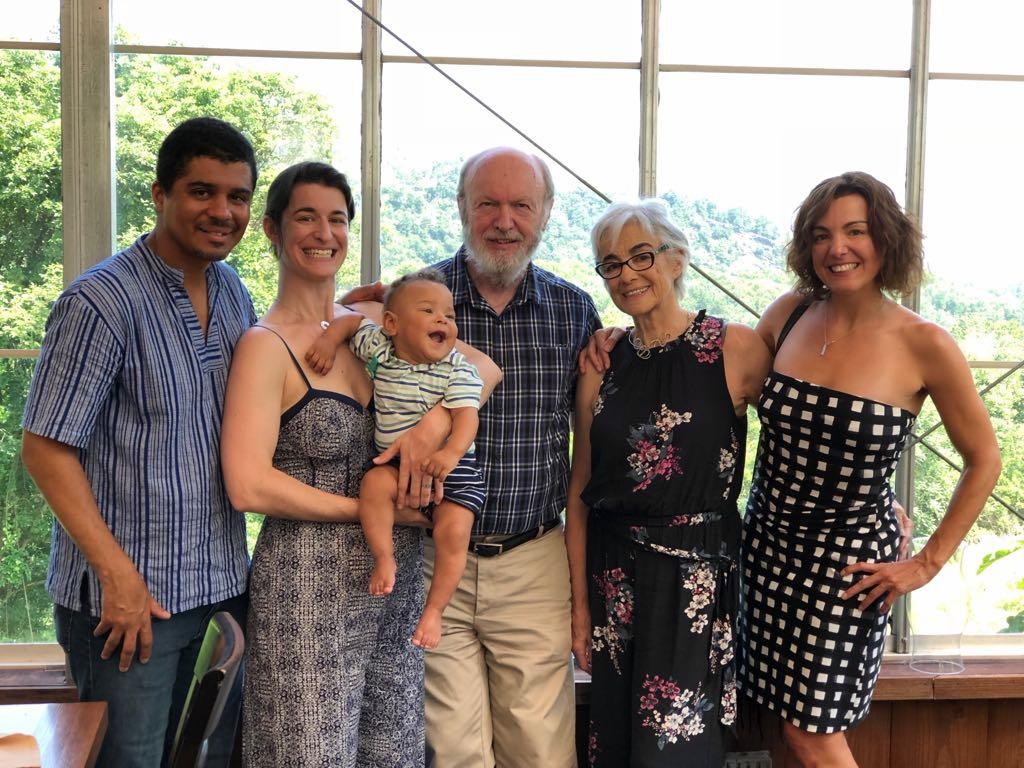
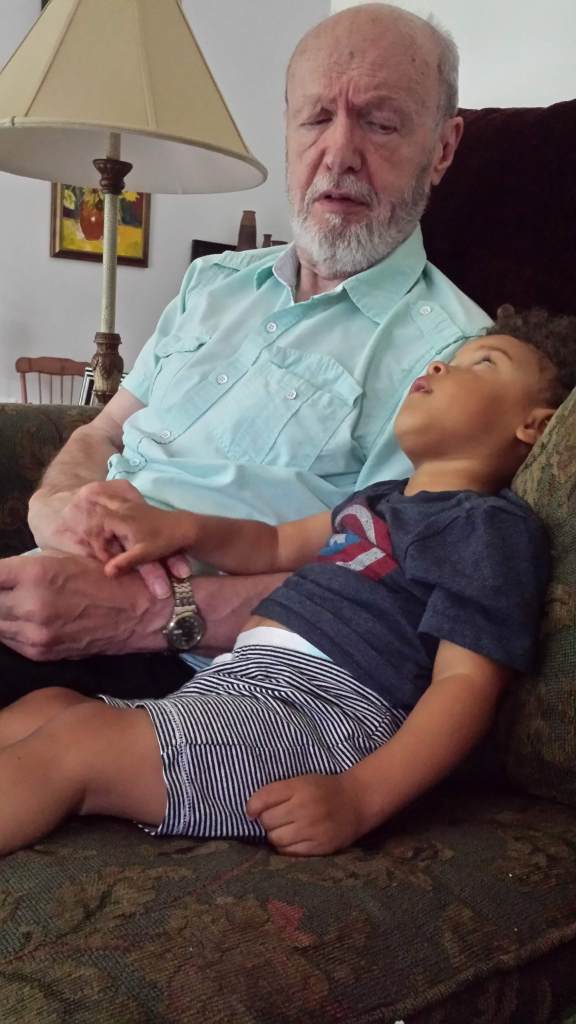
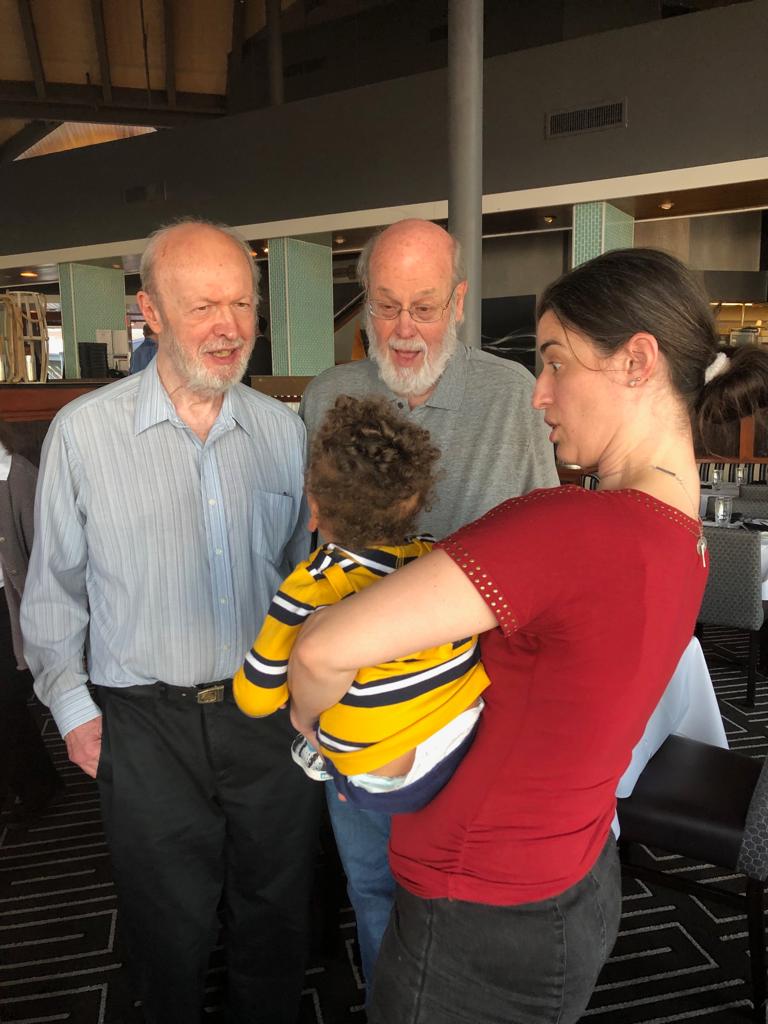
Dr. John M. Kline, devoted husband to Rosita A. Kline, proud father of Christina and Cecilia, and loving grandpa to Forte and Sebastian, passed away on November 23rd, 2025. He was an esteemed scholar, teacher, mentor and international advisor at the intersection of international business, ethics, and investment policy. His thought leadership pressed global business leaders, governments, and students to weigh profit against human dignity, public welfare, and environmental stewardship.
Scholar, Author and Ethical Voice of Global Business
Dr. Kline was Professor Emeritus of International Business Diplomacy in the School of Foreign Service at Georgetown University. He was the Director of the Master of Science in Foreign Service program and the Karl F. Landegger Program in International Business Diplomacy. Over his 40+ years long academic career, he taught international business-government relations, international investment strategies and negotiations, and international business ethics.
Georgetown University bio and featured works
What his students had to say:
“Prof. Kline is a gem in the GBUS/IBD program. His class on ethics for intl business pushes you to reevaluate your own morals and ethical decision making processes, and the case by case study approach to the class is very useful.”
“He is an excellent teacher and writer! You can’t attend Kline’s class or read his textbooks and remain myopic…”
“dr. kline is a brilliant man and this class really changed the way i think about things. his teaching and his class have made me want to be a better person.”
Before embarking on his distinguished academic career, he served as DIrector of Economic Policy at the National Association of Manufacturers. While at Georgetown Dr. Kline continued to apply his research to practice. He served as consultant to international organizations and multinational firms, shaping policy and practice for global investment. He was a key expert and notable contributor for several UNCTAD World Investment Reports in the 1990s, focusing on issues around transnational corporations (TNCs) and foreign direct investment (FDI) policy, helping shape discussions on the evolving global investment landscape during a critical period of economic shift.
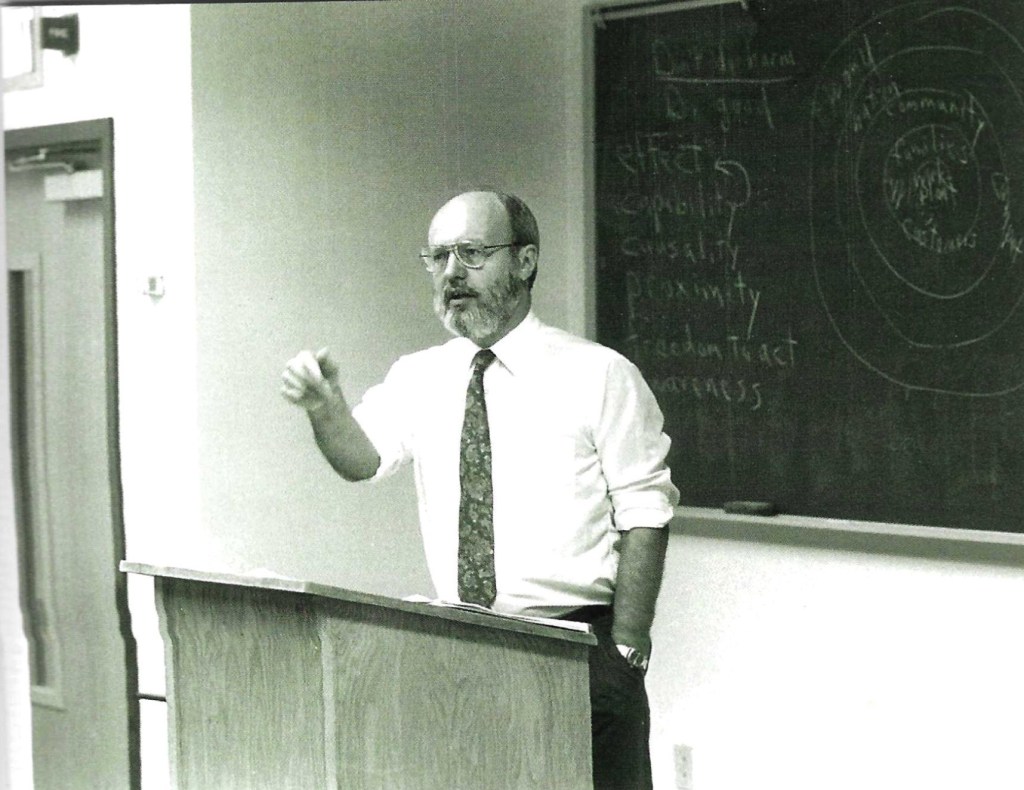
Dr. Kline authored books as well as numerous scholarly articles and chapters in co-authored and edited books. See the Publications page for a full list of his work.
Dr. Kline’s textbook, Ethics for International Business: Decision-Making in a Global Political Economy, remains a cornerstone text in international business ethics. It offers a robust framework for analyzing ethical dilemmas arising when companies operate across political, cultural, and economic borders. It challenges managers and policymakers alike to consider not just profit or compliance, but human rights, environmental justice, and social responsibility.
Widely adopted in universities, his textbook was translated into Chinese. In Spring 2014 and Fall 2015, Dr. Kline was invited to Fudan University in Shanghai to teach as a Visiting Scholar at the Dr. Seaker Chan Center for Comparative Political Development Studies.
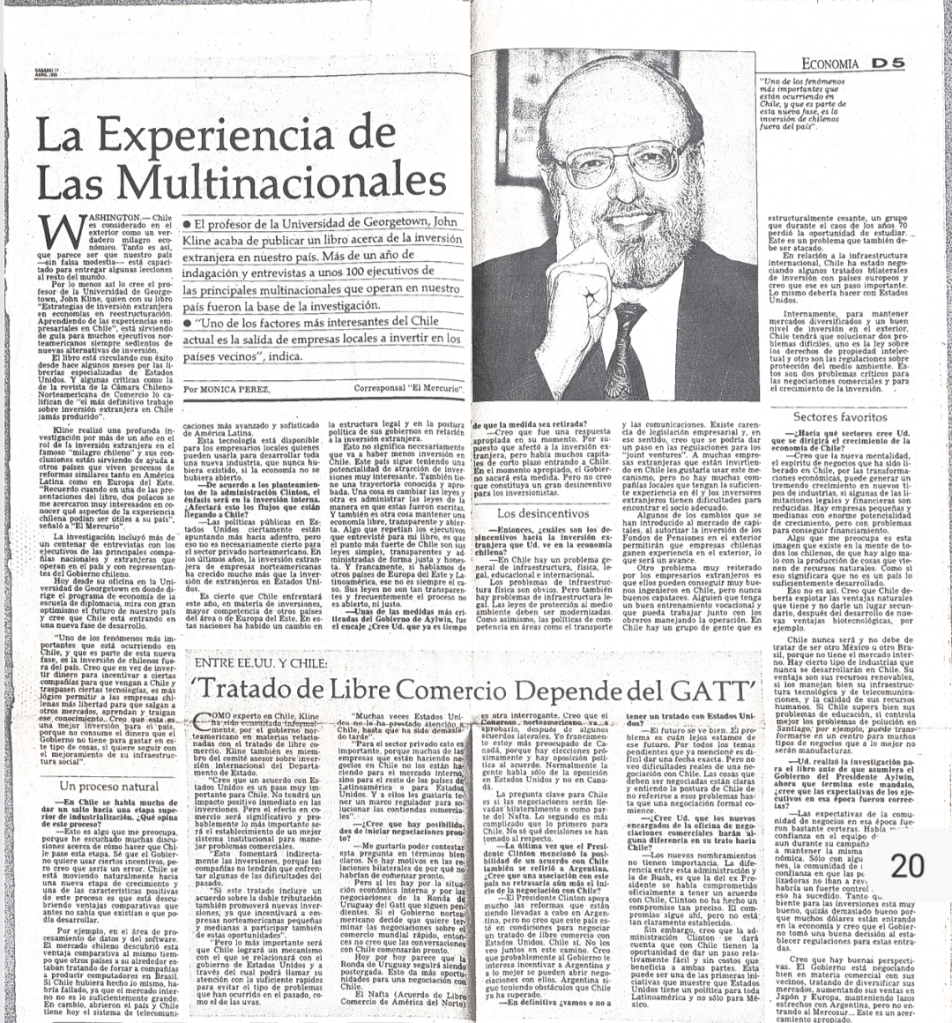
Professor Kline’s expertise spanned global regions. He conducted significant research and consulting work in Latin America, with studies on investment reform in Chile and Mexico; across Asia, including work on Chinese FDI and emerging-market strategies; and in Africa, examining investment dilemmas in extractive industries and governance-challenged contexts.
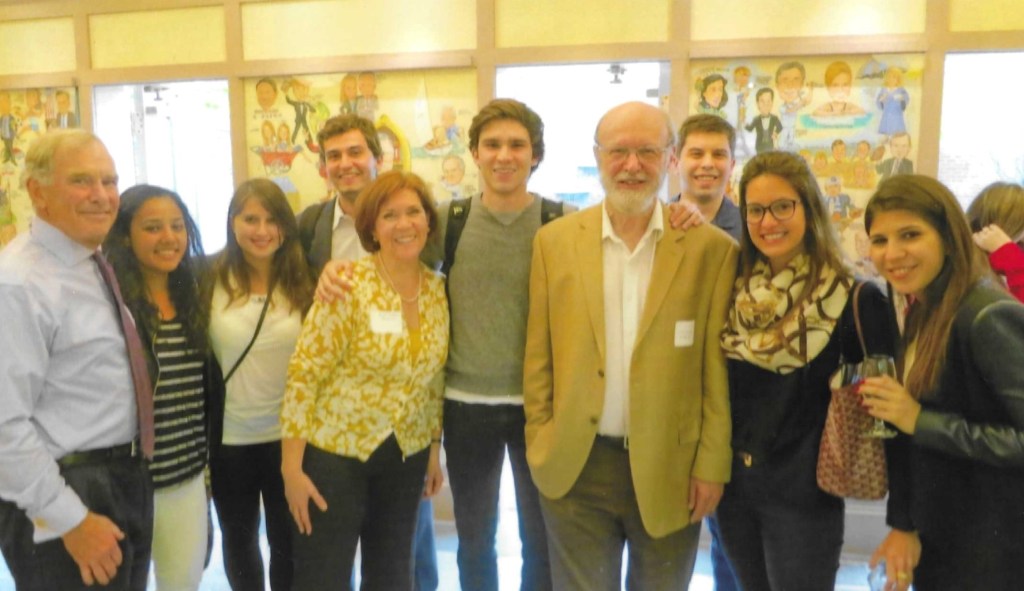
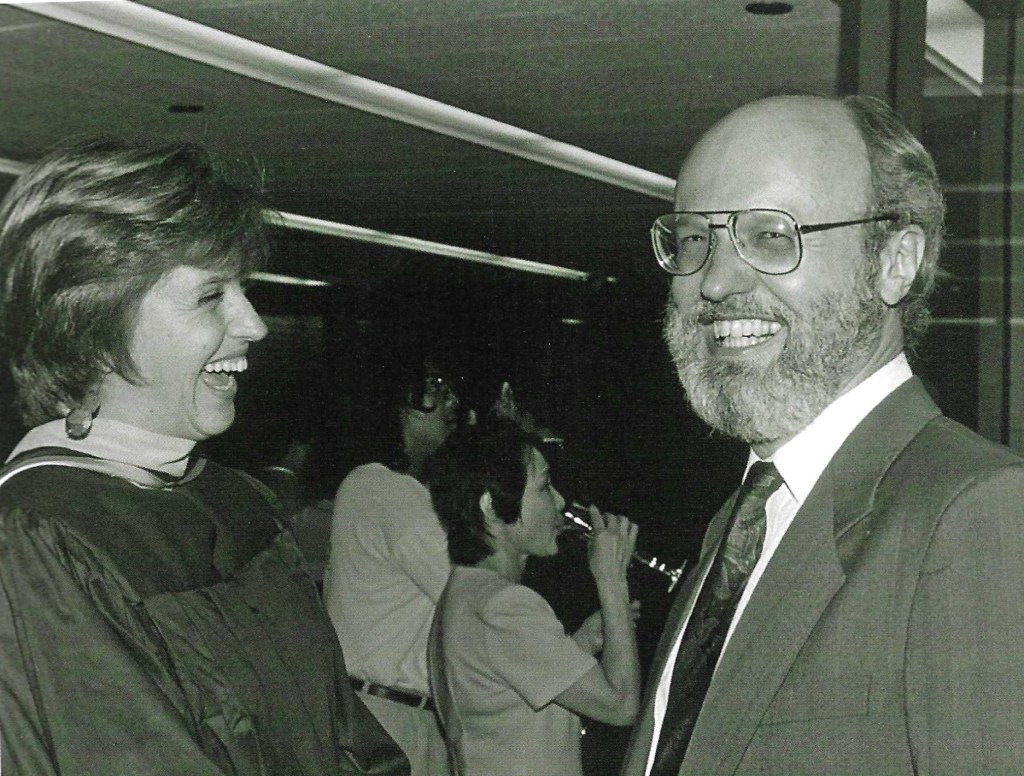
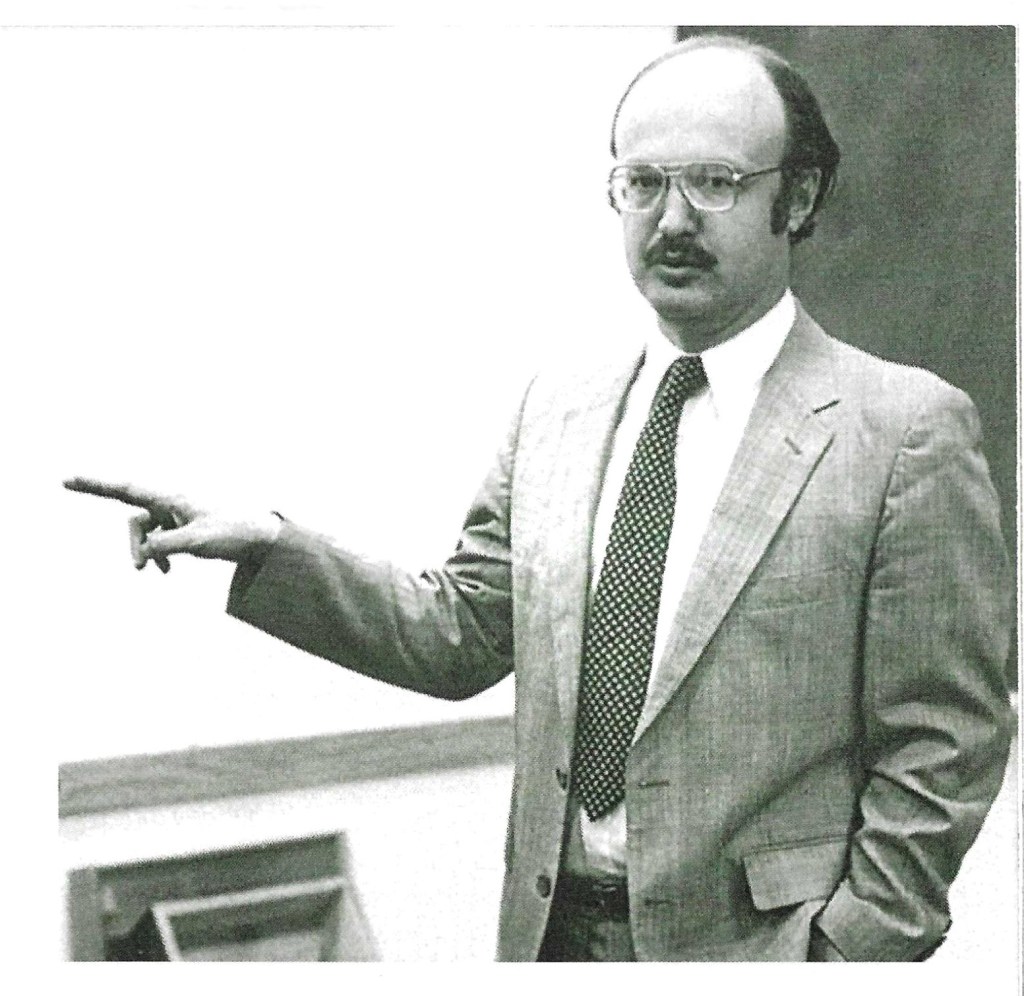
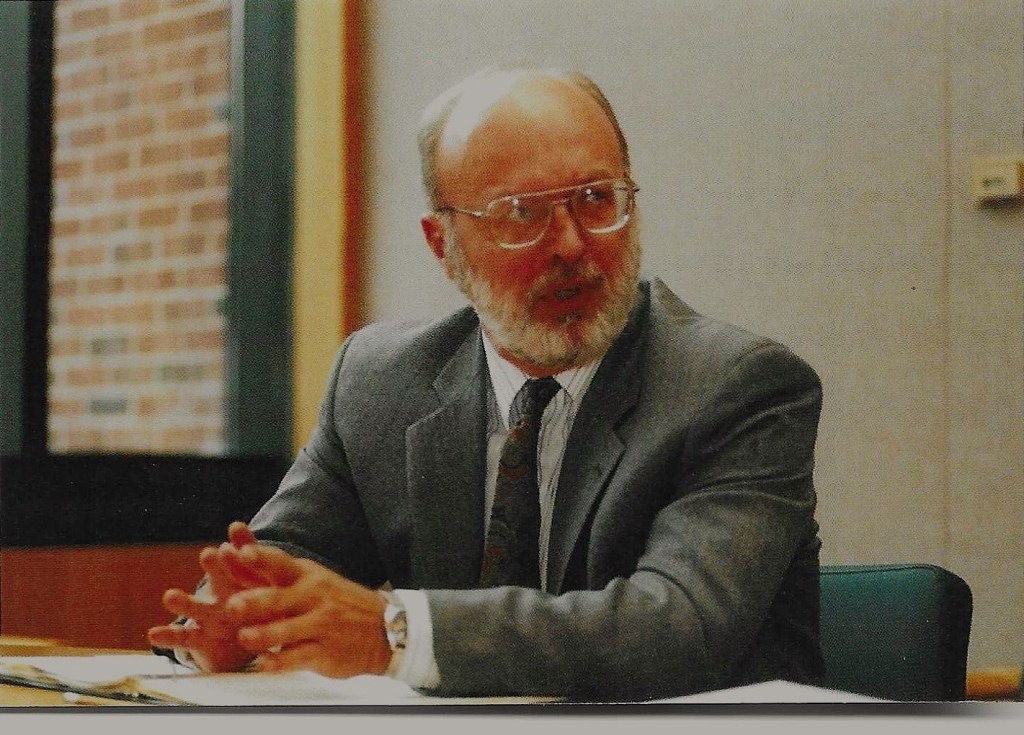
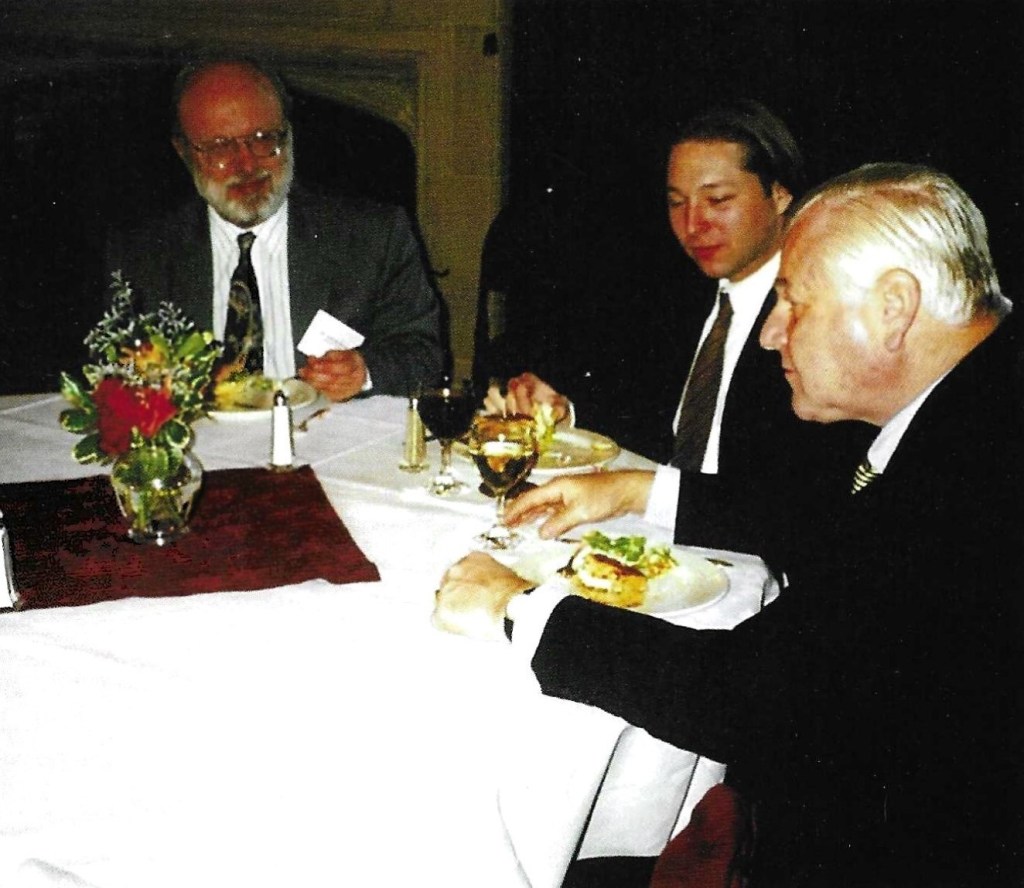
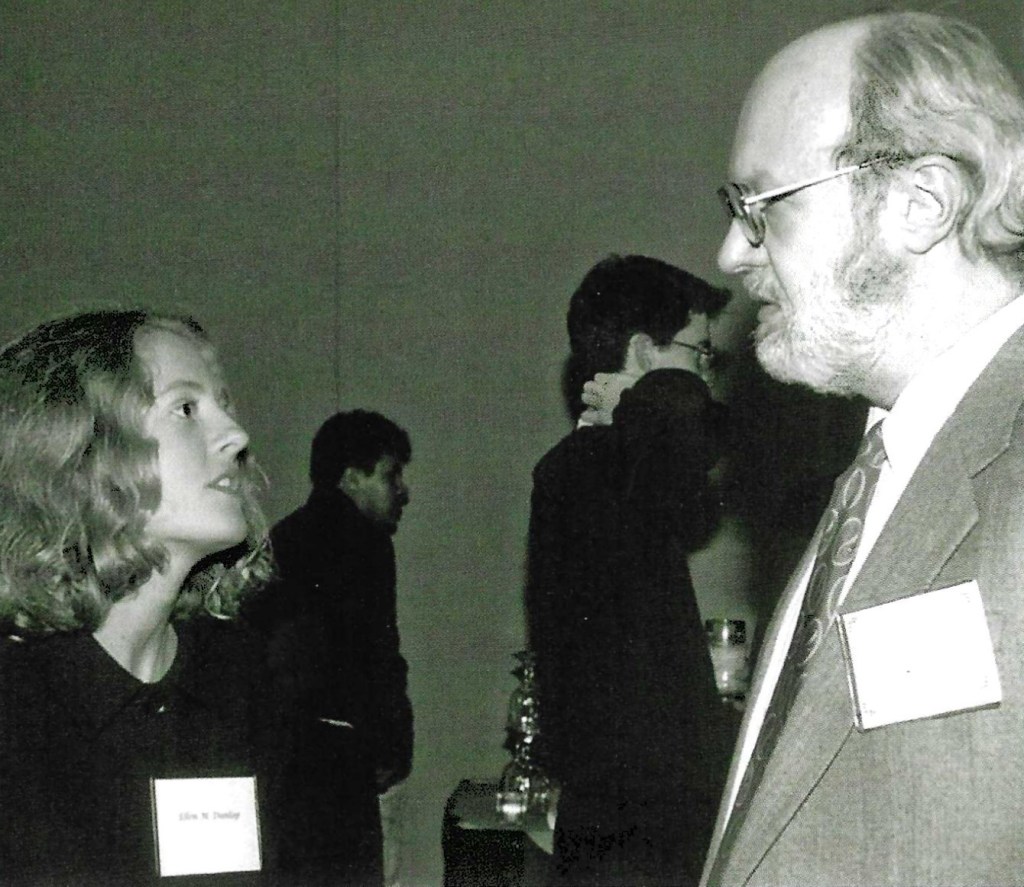
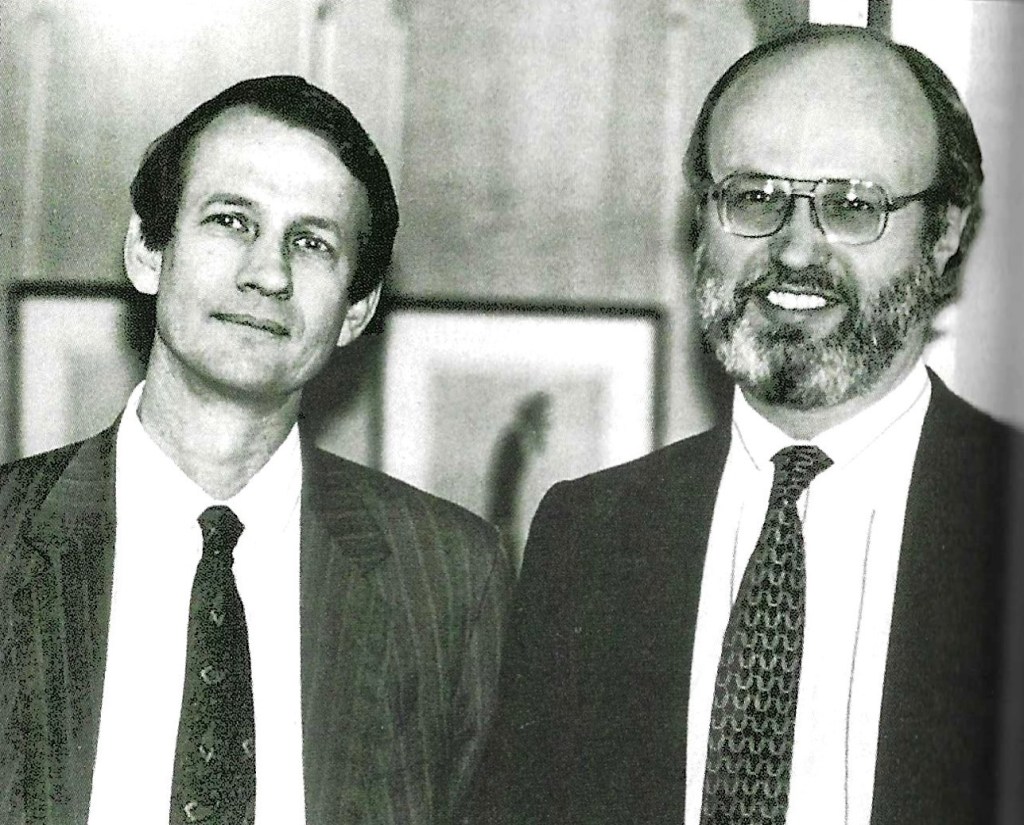
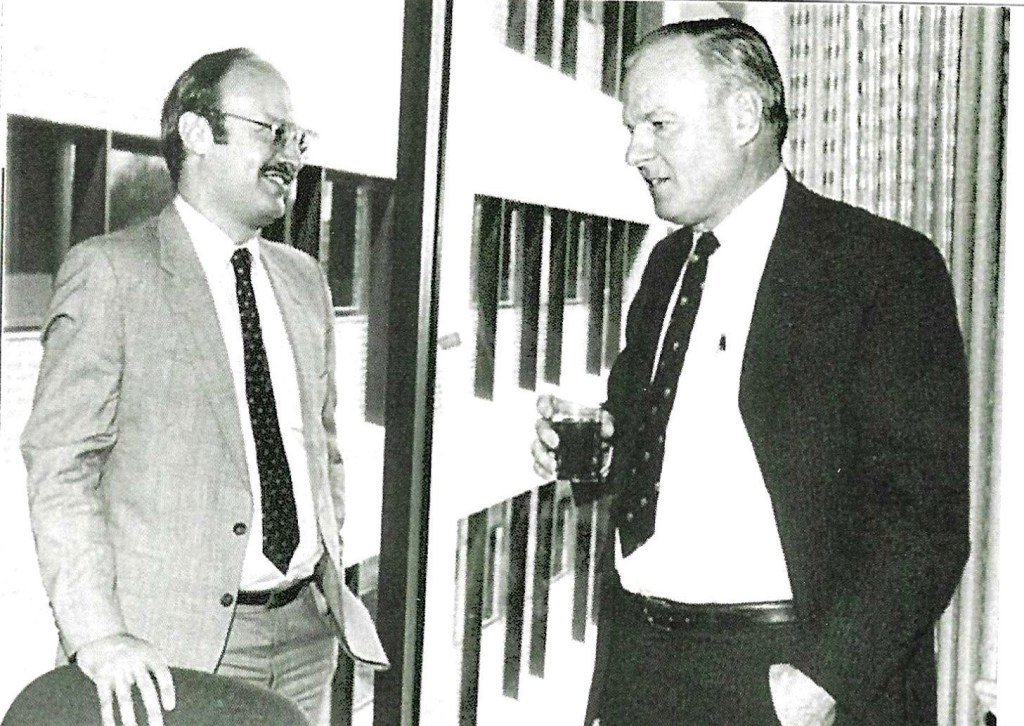
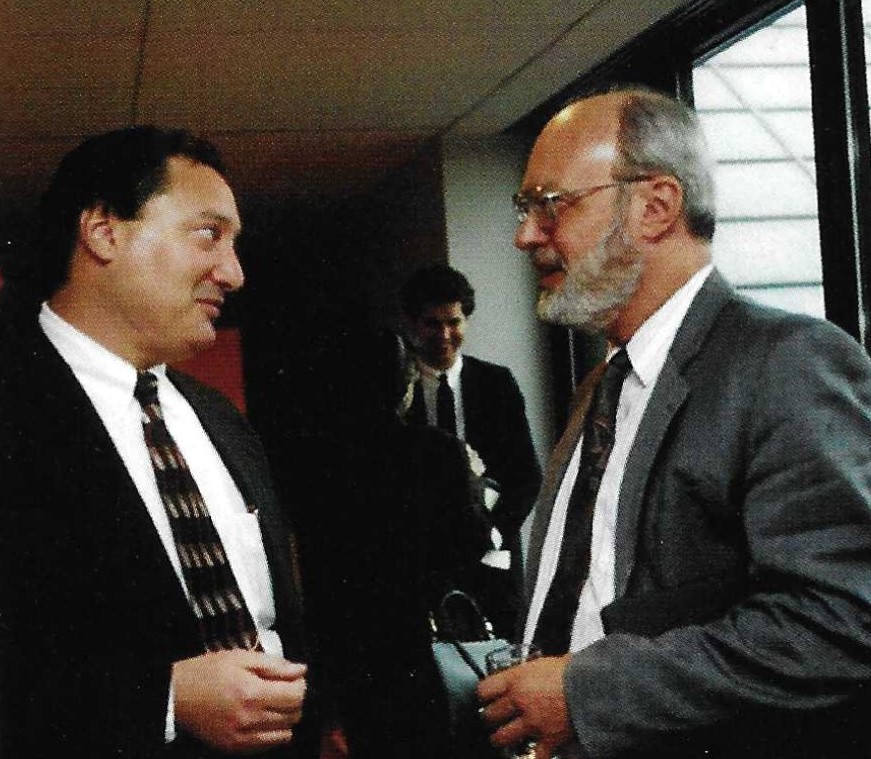
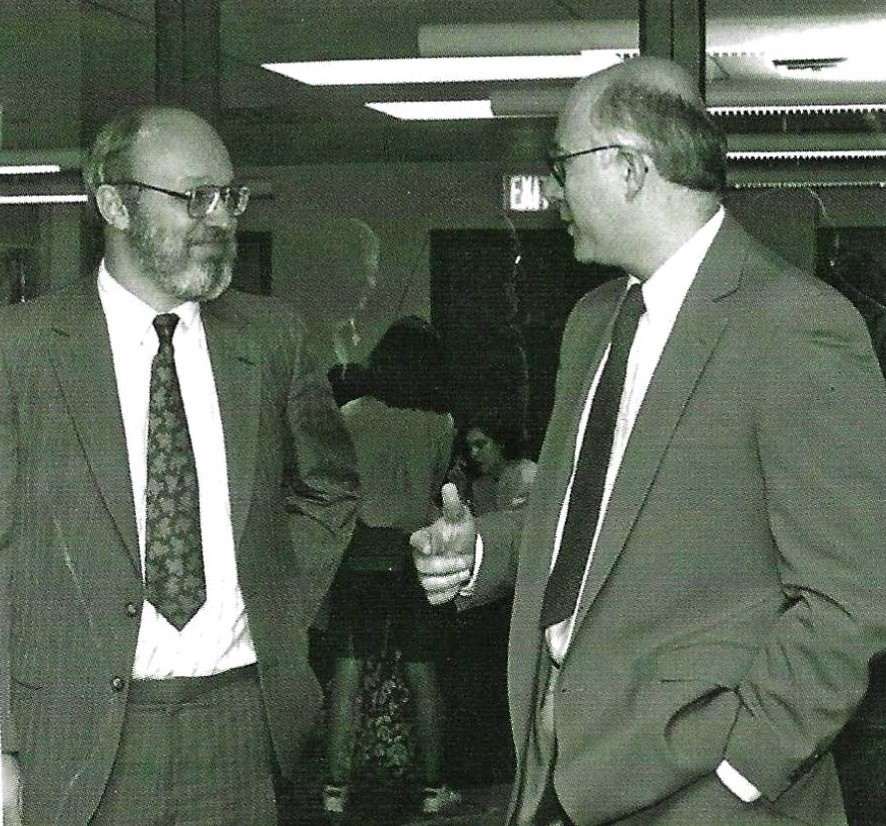
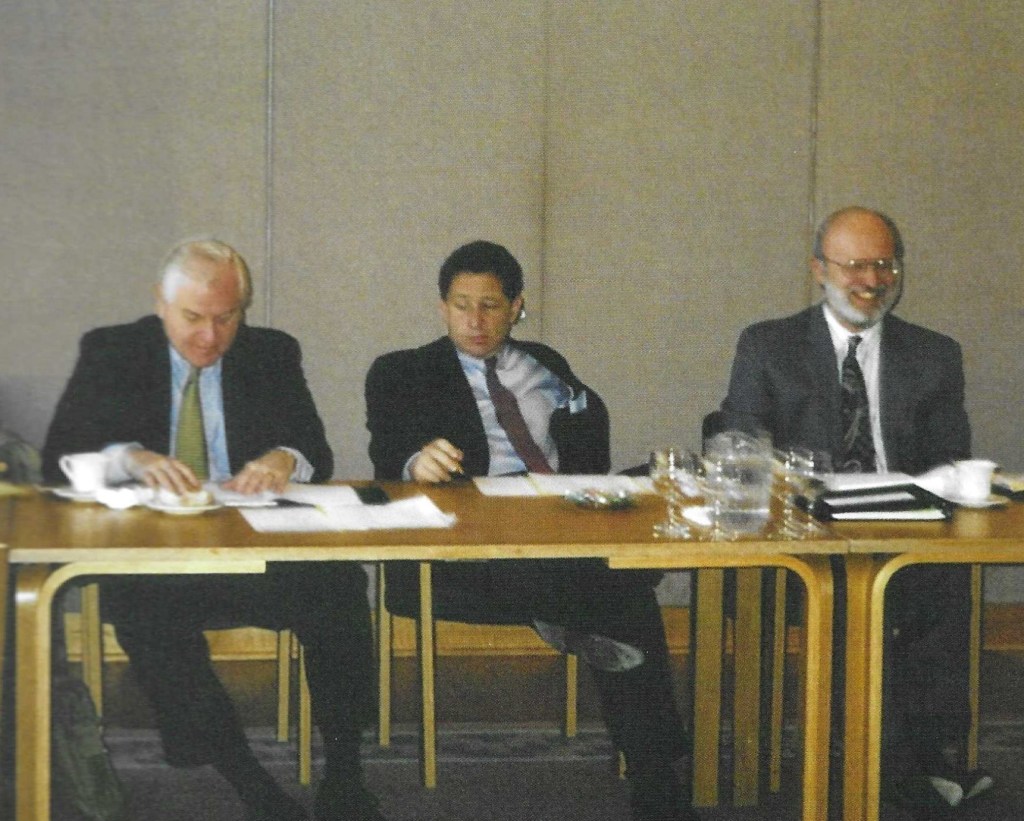
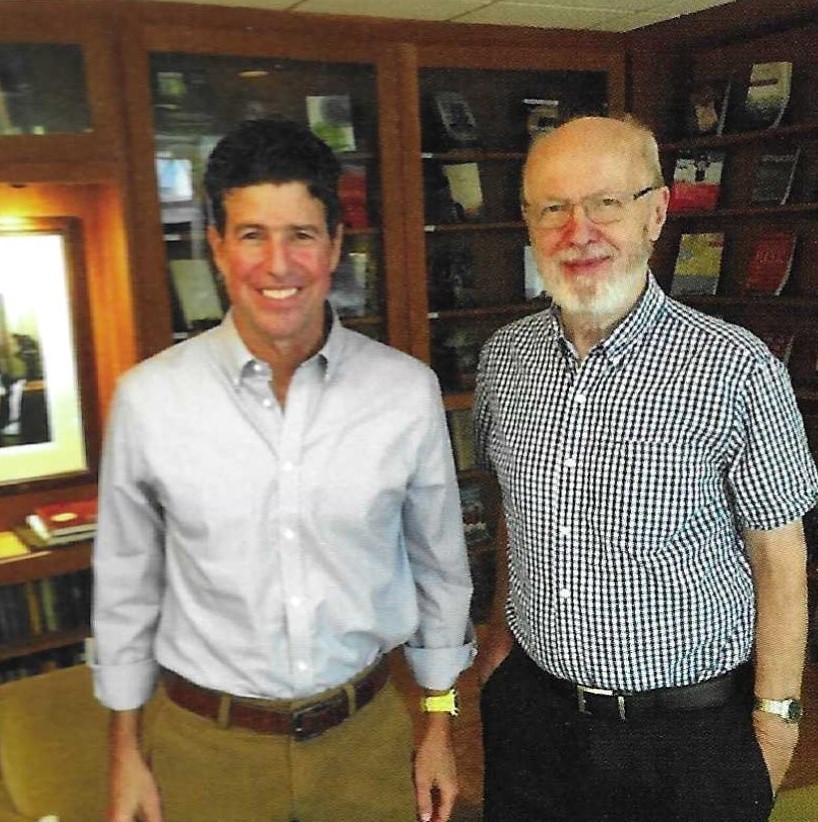
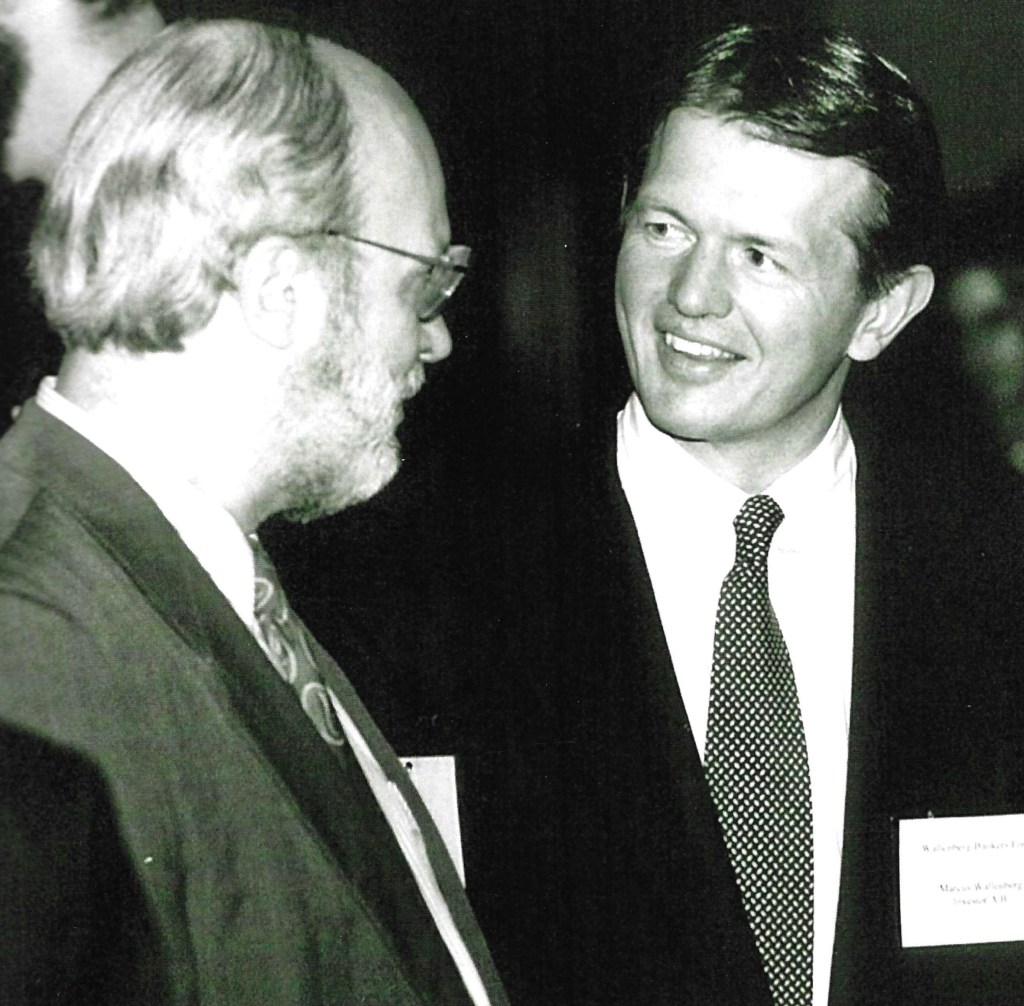
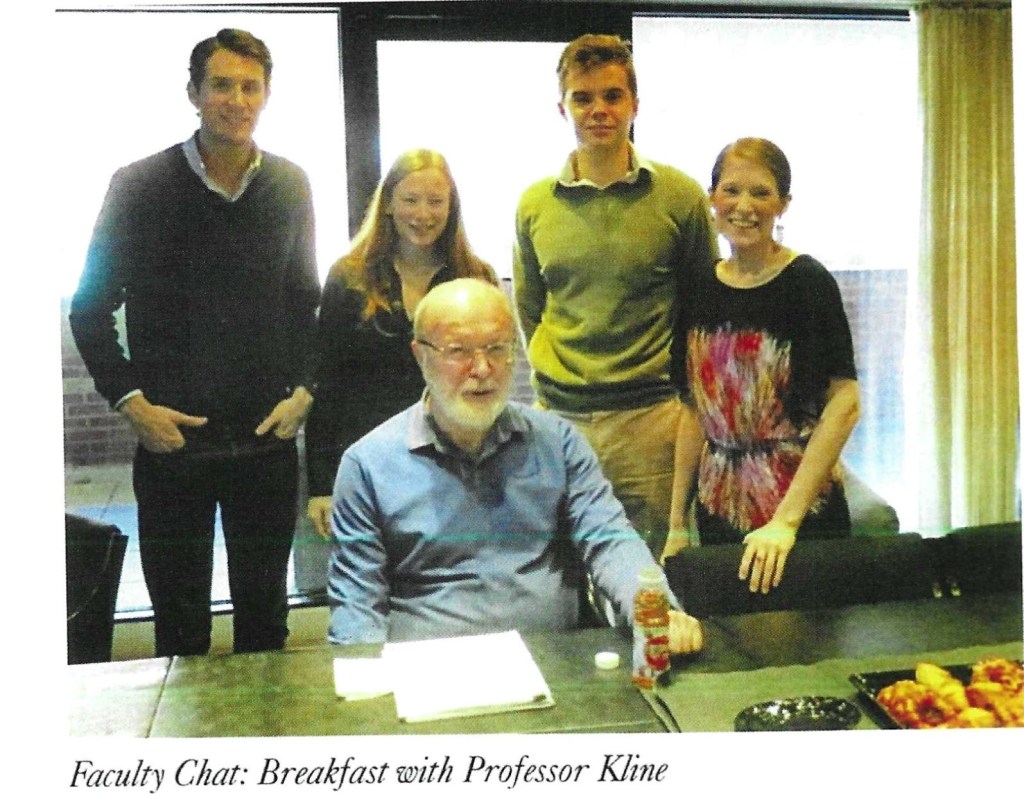
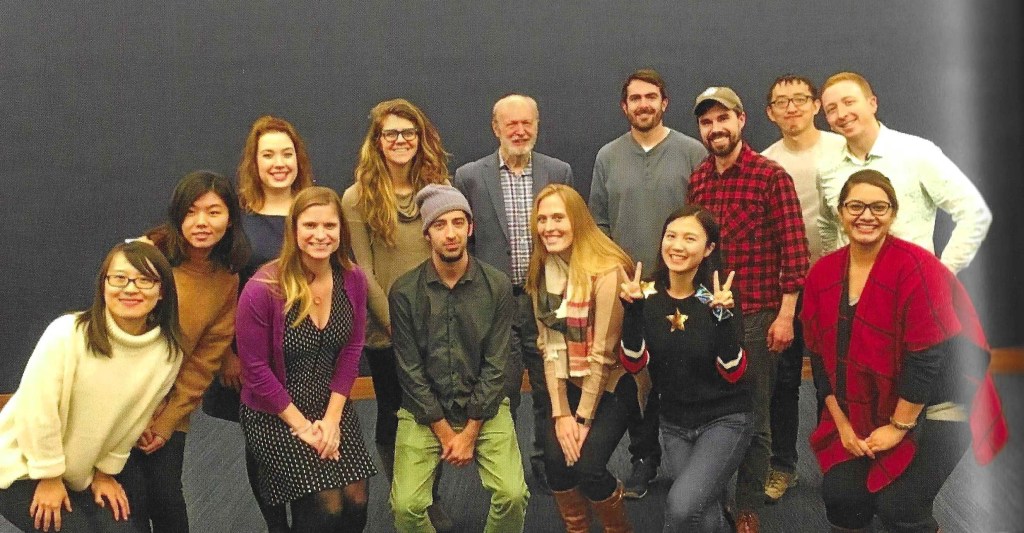

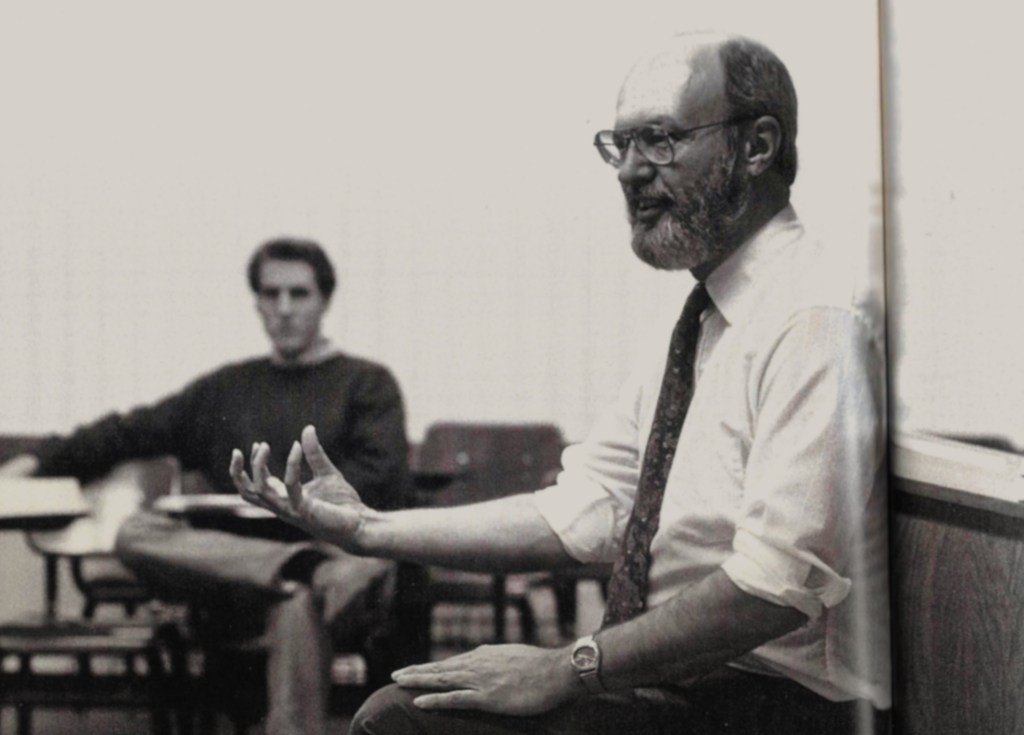
John’s favorite part of his work was interacting with his students, from challenging them in class discussions to preparing them for real life pressure in oral exams.
Perhaps his proudest work was leveraging the voice of students and universities to advance the pioneering venture Alta Gracia in the Dominican Republic to promote a living wage which he documented in his book Sewing Hope.
As a member of Georgetown’s Licensing Oversight Committee (LOC), Dr. Kline provided guidance to the university’s leadership regarding trademark licensing policy. He advocated for full compliance with the Georgetown’s Code of Conduct on labor standards and guided other universities seeking to establish similar standards. He advised the students in the Georgetown Solidarity Committee and supported their efforts to ensure full compliance with recommended labor standards for all Georgetown apparel.
Dr. Kline conducted numerous visits to Alta Gracia, an apparel factory in the Dominican Republic that paid workers a “living wage” while fully respecting freedom of association and other labor rights. With co-author Sarah Adler-Milstein, Dr. Kline published Sewing Hope: How One Factory Challenges the Apparel Industry’s Sweatshops (2017). Intended for a broad audience, this book tells the full story of the Alta Gracia factory and its workers, management and community. It also explains how the factory challenges traditional assumptions that overseas “sweatshops” are economically unavoidable.
About the author from Sewing Hope (2017)
I have been a university professor for over 35 years, a profession that interested me as early as the ninth grade. My father had hoped I would follow him into the ministry (my given names – John Mark – are from the Gospels), but my older brother entered seminary first, leaving me freer to pursue othe rpaths. I never expected my path would lead from the plains of South Dakota, where I spent my formative years, into the world of international affairs and eventually to a small apparel factory in the Dominican Republic.
I first set foot outside the country on a late-college trip to Canada. Following a tour of military duty in Germany, I began graduate studies at the Johns Hopkins University School of Advanced International Studies (SAIS) in Washington D.C. With general intention of becoming a diplomat, I abandoned German to begin introductory classes in French, the classic language of diplomacy. My plans were altered by encounters in the lunchroom where near-daily discussions took place over political developments in Latin America. The school was next door to the Embassy of Chile, which lacked a lunchroom, so embassy personnel often ate as SAIS. I knew little about Latin America and did not speak Spanish, but I decided I wanted to learn.
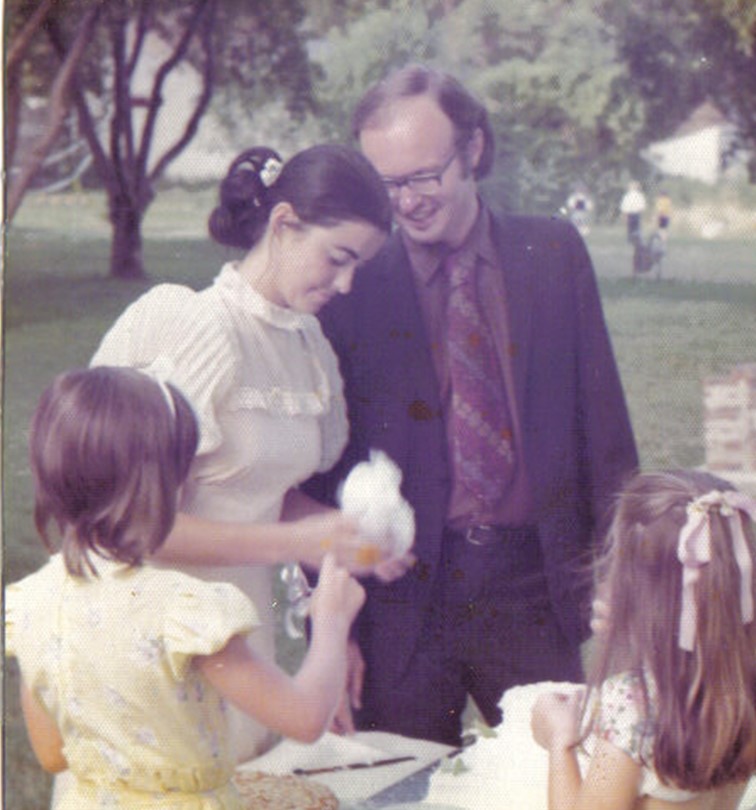
Her name was Rosita del Carmen Arancibia Beltran. After two weeks struggling with French, I changed classes and began to struggle with Spanish. It was obvious I needed a native Spanish speaker to practice with and I was fortunate that she liked full dark beards. As graduation neared, we merged our earlier individual plans into a July wedding at my parent’s home, then in Nebraska. Five months later we were married again in a different backyard in Santiago, Chile. That was my third foreign excursion, this time amidst the curfew and nightly gunfire that still echoed from Childe’s military coup.
Business codes of conduct entered my vocabulary during a graduate school internship that turned into full-time employment at the National Association of Manufacturers (NAM). As staff to their International Economic Affairs Committee, I became engaged in debates over codes proposed in the United Nations and the Organization for Economic Cooperation and Development (OECD). The mid-1970s was a turbulent time with many difficult issues between multinational corporations and developing countries. The NAM job required working with top corporate executives to develop and then advocate a common policy for U.S. manufacturers. The experience and exposure were great, but I gre troubled about losing my own views and judgement in the process.
I simultaneously pursued a part-time Ph.D. program at George Washington University to further my eventual goal of teaching. An unexpected opportunity arose when Georgetown University’s School of Foreign Service advertised for a teaching administrator to become deputy director of a new program in International Business Diplomacy. They wanted someone with both academic credentials and business contacts who could develop an executive training program in business-government relations. I was offered the position at a lower starting salary but accepted after a weekend spent tightening the household budget.
My academic career at Georgetown commenced with the fall 1979 semester and continues up to the present. From my perspective, the job was ideal, with advantages one might only hope doe after spending years in the academy. While teaching the program’s introductory course, I created two new courses, including one that examined many of the complex issues I had confronted at NAM. Gaining a tenure-track appointment after completing my Ph.D., I then faced the dreaded, “publish or perish” mandate. My dissertation provided the basis for a first book, while a second emerged from a survey analysis of nearly 120 company codes of conduct. The resulting 1985 publication, International Codes and Multinational Business, evaluates the responsiveness of company codes to intergovernmental standards.
The move to campus freed me from the strictures of business advocacy, allowing me to accept independent consultant contracts. Many interesting projects were with he United Nations Conference on Trade and Development (UNCTAD) in Geneva. These activities complemented and extended my academic research, becoming s progressively more important focus for my work than traditional academic journals. Particularly relevant were chapters in the UN’s World Investment Reports of 1994 and 1999 that addressed, for the first time in that publication, the social responsibility of transnational corporations.
Beginning in 1999 student protests against overseas sweatshops occurred on campuses around the country, including a sit-in demonstration in the office of Georgetown University’s president. The university adopted a labor code of conduct for its licenses and established an unusual licensing oversight committee (LOC) for code implementation, with students, faculty, and administrators represented in the committee’s membership. Although I noted these events and we discussed them in my international business ethics class, y vision remained focused on UN meetings where labor issues were but one of many topics covered by international codes.
The fall of 1999 also was the first time I taught a class for freshmen. This course, titled ” Money, Politics and Ethics in a GLobal Political Economy,” reshaped my goals as much or more than it may have influenced the incoming students. Particularly important was the role of Emil Totonchi, a student in the fall 2002 class who became an activist with Georgetown’s student solidarity committee.
Approaching me one day during his junior year, Emil acknowledged my UN work but questioned why I did not pay more attention to campus issues closer to home. A the time a student-led coalition was pressing the administration to adopt a living-wage policy for university employees. Frustrated with the lack of progress over several years, some 20 students began a hunger strike in March 2005 to draw attention to the issue. After nine days, an agreement was forged for progressive pay increases to reach a living wage.
I was struck by the contrast between this local achievement and my inability to identify concrete results for people’s lives from numerous intergovernmental meetings and publications in which I had participated. At Emil’s urging, I volunteered to become a faculty member on Georgetown’s LOC for the following academic year. So begins the tale of my now involvement with living-wage issues and eventually research on the Alta Gracia apparel factory in the Dominican Republic.
John was not only a passionate teacher, he could also be found cheering for the Hoyas at basketball, soccer and field hockey games. He himself was a formidable competitor on the racquetball court to anyone who braved a game with him.
Personal life : From the midwest to global family adventurer
Born in Jamestown, New York to Richard and Evelyn Kline, John lived throughout the country but was primarily raised in South Dakota along with his older brothers Richard, Carl and sister Mercia. John was active in athletics and student government at Central High School. He was an honor student and won the state championship in debate. As a teenager he spent summers as a camp counselor at the YMCA and even worked as a postal carrier in 1966. He organized a Teen-Aid Phone service with friends which served as an independent, non-profit service directed toward coordinating youth needs with community resources.
He went on to graduate Summa Cum Laude from Augustana College in 1969 majoring in Political Science and minoring in History.
John was drafted and served in the US Army from 1969-1971. He served as an infantryman in Germany, and earned the National Defense Service Medal. His duty assignment was as battalion legal clerk coordinating the companies’ legal cases, assisting investigations and foreign civil matters. He was released from active duty as Sergeant, E5.
John completed his Master’s degree in international relations from Johns Hopkins University School of Advanced International Studies (SAIS) and then completed his Ph.D. in political science from The George Washington University.
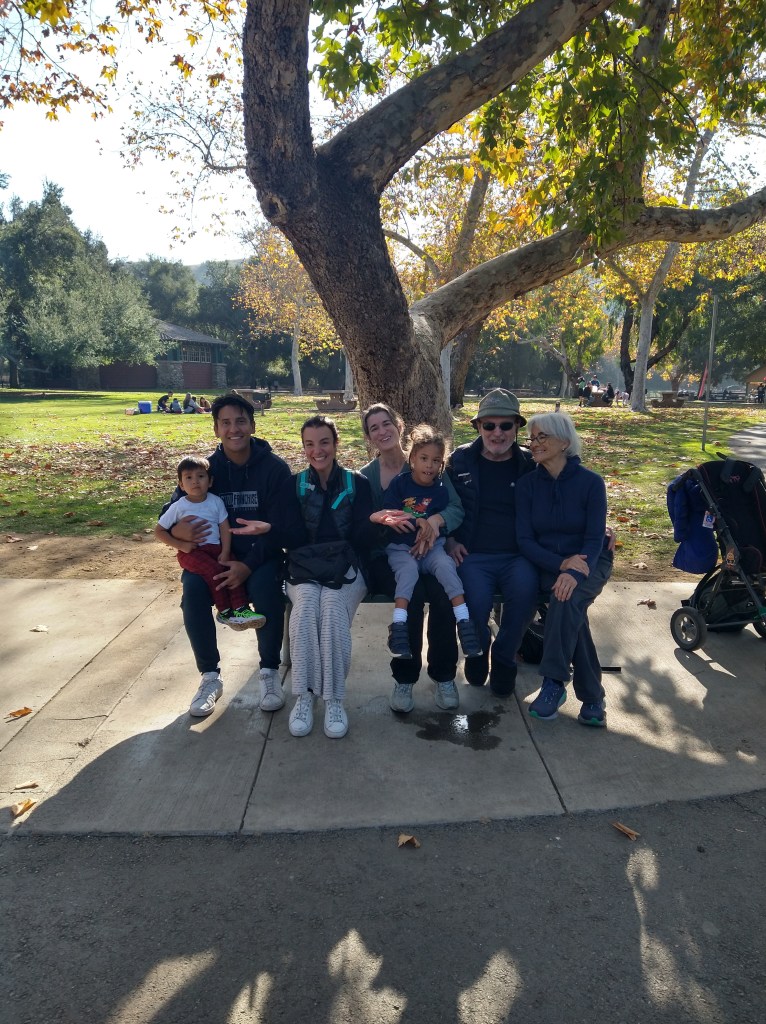
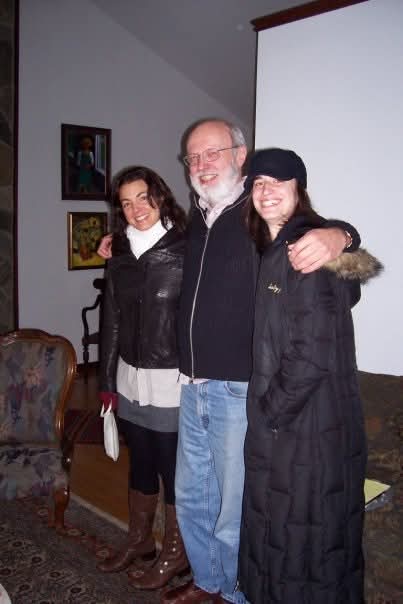
During his doctoral studies he met his wife Rosita A. Kline and established his family with two daughters, Christina and Cecilia. The Kline’s would host graduate students at their house at the end of each semester, enjoying Rosi’s culinary treats and discussing and debating ethical quandaries over a game of Scruples. He was a super host to family and friends in the DC area, known to curate elaborate scavenger hunts for the holidays that all the family enjoyed. While John spent most of his adult life in Northern Virginia, he was an avid traveler reaching 6 continents. He led momentous road trips across the United States and Chile. He enjoyed camping in the Shenandoah mountains and exploring the glaciers in the south of Chile. Spending time in Chile with his wife’s family he expanded his research as well as his love of the beach and a good pisco sour.
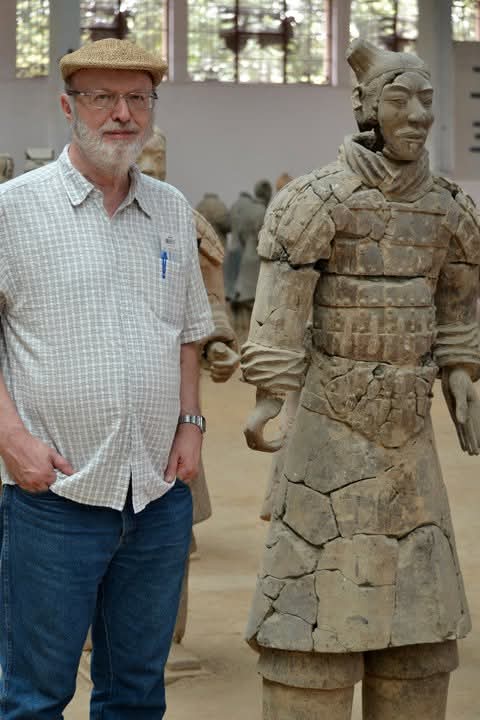
Learning from and spreading knowledge around the world, John seized every opportunity to travel, visiting, working and living in Chile, China, Canada, Australia, India, Greece, Cambodia, Kenya, South Africa, Germany, Brazil, Argentina, Barbados, Dominican Republic, Mexico, Switzerland, Spain, Qatar, Egypt and more.
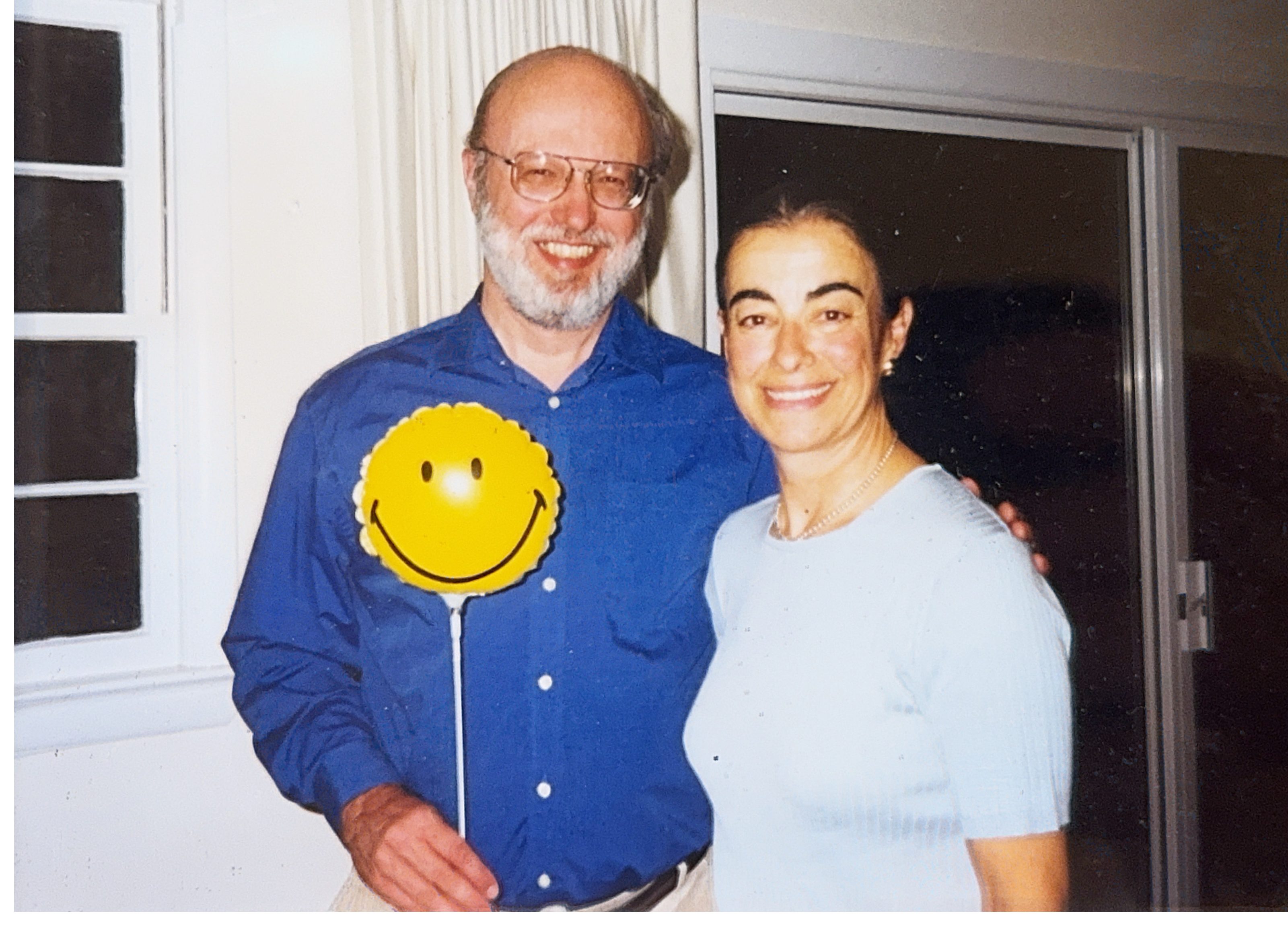
Fifty two years of marriage.



Some of his favorite tunes
His Legacy
To his friends and family John will be remembered for his quiet confidence, integrity, generosity and strong sense of justice.
Most importantly, John’s legacy lives on through his lessons, his writing and all those he touched.
His call to action is clear. It is in his classes and in his books. His research and methods are more relevant and important today than ever. His legacy continues through:
His open source courses:
EdX Courses for Professional Certificate in Ethical Decision-Making for Global Managers
- Foundations of Ethical Decision-Making: Government and Political Issues
- Ethical Decision-Making: Cultural and Environmental Impact
- Ethical Decision-Making: Labor and Production Dilemmas
His commitment to supporting higher education. Information on a scholarship dedication in his honor will be forthcoming in Spring 2026. For more information, write to johnklinelegacy@gmail.com
In lieu of flowers, please consider supporting the Michael J. Fox Parkinson’s Foundation in finding a cure for Parkinson’s and dedicate your donation to John Kline.


Leave a message or memories of John